February 17, 2026
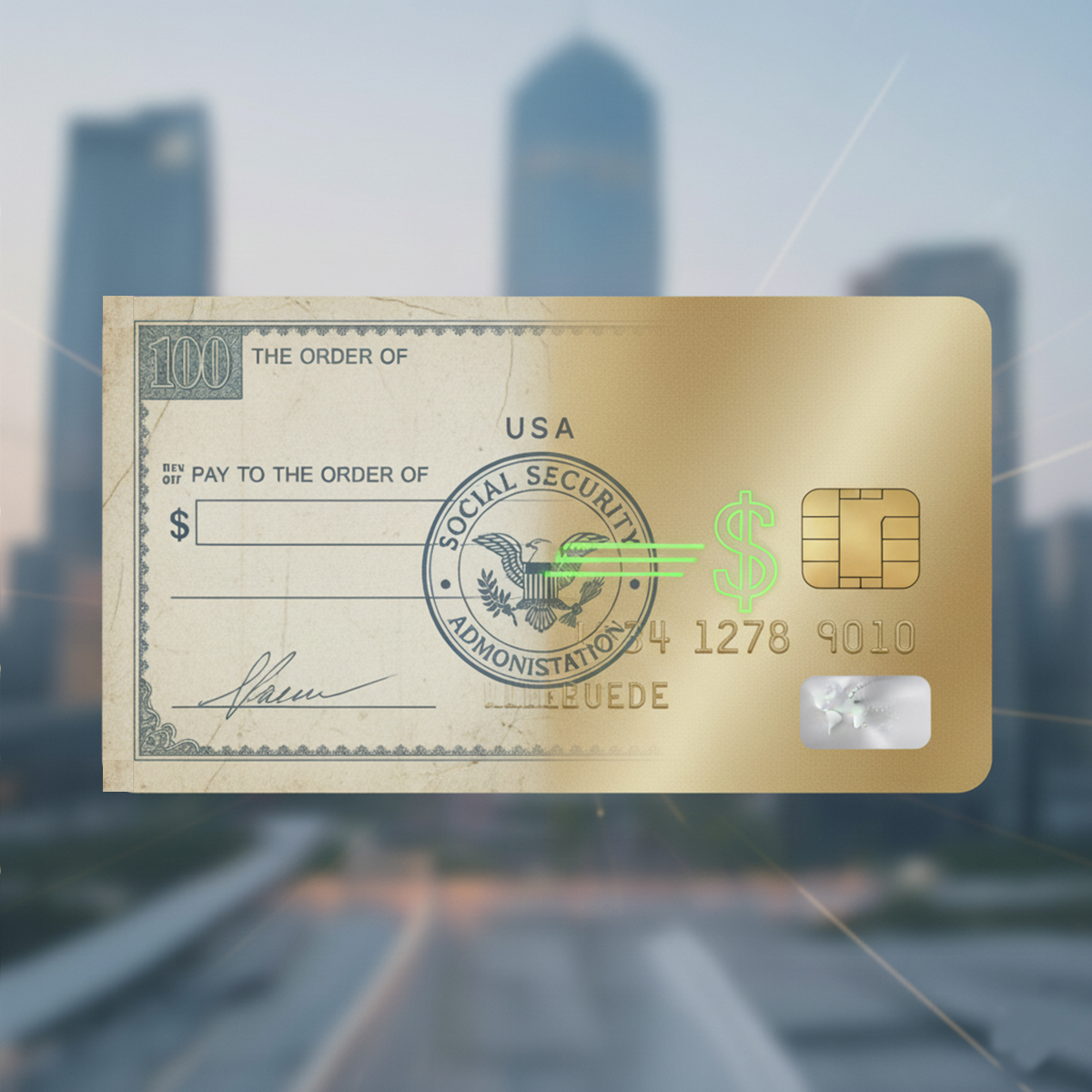
The U.S. government has decided to move away from paper checks for federal benefit payments, including Social Security.
As of September 30, 2025, the Treasury and Social Security Administration (SSA) have directed most benefits to be delivered electronically (direct deposit or Treasury-approved prepaid cards), a change intended to improve speed, security, and cost-efficiency.
In this post, we will help you to understand what this shift means and what you should do to be prepared for the change.
Paper checks are more expensive to print and mail, can be vulnerable to theft or loss, and are generally slower to arrive than electronic transfers. The Treasury Department and SSA say electronic delivery reduces fraud and administrative costs and gets money into beneficiaries’ hands faster.
The “Go Direct” program and Treasury-backed Direct Express card are part of the infrastructure to move all beneficiaries to electronic payments instead of physical checks.
To learn more about the reasons for the change, you can read what they have to say about it at the Bureau of the Fiscal Service.
Most Social Security recipients already get payments electronically (well over 99% of beneficiaries use direct deposit or a benefit debit card). The policy primarily affects the relatively small number of people who still receive mailed paper checks: people without bank accounts, those who haven’t switched, or people who prefer checks for familiarity.
Agencies are encouraging everyone to switch but have acknowledged there will be limited exceptions in individual hardship situations (those limited exceptions can be found here: SSA).
No more mailed checks for most beneficiaries.
If you don’t switch, agencies will generally enroll you in an electronic option or reach out with instructions, but you should act proactively.
Faster, more reliable payments.
Direct deposits post on the scheduled payment date, and prepaid benefit cards work like debit cards (so there is no more risk of mail delays).
Better legal protections (in some cases).
Federal rules require banks to protect up to two months’ worth of directly deposited federal benefits from garnishment by many private creditors, a protection that doesn’t automatically apply the same way if you deposit a paper check after the fact.
For many people, direct deposit therefore adds an extra layer of safety against certain collections.
To learn more about that layer of safety, read this post by the CFPB: Consumer Financial Protection Bureau.
Digital divide and access issues.
Some beneficiaries have no bank account, limited internet access, or low comfort with banking technology. That’s why Treasury and SSA emphasize alternative options (like the Direct Express card) and hardship considerations.
Account security and scams.
Moving online increases exposure to phishing and phone scams. Never give your Social Security number or bank login details in response to unexpected calls or emails claiming to be SSA; use official SSA channels.
Potential administrative hiccups.
Any large policy rollout can produce mistakes (misdirected deposits, paperwork errors). Keep records, check your account on payment days, and contact SSA quickly if something looks wrong.
Direct deposit (best option): Sign up through your “my Social Security” online account or by calling SSA; you’ll need your bank routing and account numbers. Direct deposit sends funds straight to your bank account on payment day.
Direct Express prepaid card: If you don’t have a bank account, you can enroll in the Treasury’s Direct Express® debit card (it functions like a bank debit card but is tailored for benefit payments).
Like the direct deposit, the funds will be added to your card on payment day.
Information and enrollment are available via GoDirect.gov or the Direct Express phone line.
GoDirect can be accessed via this link: Go Direct
To use this option, you must enroll online, via phone, or by downloading a form and mailing it in. All contact information to enroll is listed on the Go Direct homepage linked above.
Visit an SSA office or call for help: SSA offices and their helpline can walk beneficiaries or caregivers through enrollment and answer questions. If internet access is a barrier, SSA staff can assist by phone or in person.
SSA and Treasury recognize that a small number of people face genuine barriers. In many cases, agencies will provide limited exceptions or assist with enrolling in an alternative electronic method.
If you believe switching is impossible (if you don’t have ID, a mailing address, due to incapacity, etc.), contact SSA immediately to learn about exceptions, safeguards, or assistance programs. Advocacy groups (AARP and legal aid organizations) have also been actively engaged in helping vulnerable people through the transition.
Social Security Administration (SSA) customer service: 1 (800) 772-1213 SSA Website: https://www.ssa.gov/
AARP website: https://www.aarp.org/
Set up direct deposit into a dedicated account used only for benefits to maximize legal protection and make it easier to track deposits.
Guard your personal information. SSA will never call you to ask for your bank credentials.
Always use official SSA.gov and GoDirect.gov links or phone numbers. Do not click on links from emails you don’t recognize.
Update contact details. Make sure SSA has your current mailing address, email address and phone number so they can reach you if there’s a problem.
If you’re a caregiver for a beneficiary, act early. Help the beneficiary enroll online via the links above (Go Direct) or by phone and keep records of enrollment confirmations and bank statements showing the first direct deposit.
Social Security benefits are generally exempt from garnishment by most private creditors under federal law, but the mechanics matter: if you have direct deposit, banks are required to protect at least two months of your payments from being garnished (taken via lawsuits, orders, or judgments).
That protection is more cumbersome when funds arrive by paper check and are then deposited, because the bank can treat the deposit like any other incoming funds. This means they don’t have to protect two months-worth of your benefits.
For individuals concerned about creditors or past-due debts, electronic delivery (and a segregated account) can offer clearer protection.
If this is a concern, you should consult a legal-aid agency or elder-law attorney.
The end of old-school paper Social Security checks represents a big modernization push: faster payments, lower costs, and improved fraud protections for the majority of recipients. But change also raises real concerns for a small but significant group that relies on mailed checks.
If you (or someone you care for) still receives a paper check, don’t wait. Explore direct deposit or the Direct Express card, contact SSA for help, and be mindful of scams and legal protections. Acting now is the simplest way to avoid disruption and take advantage of protections that come with electronic delivery.
February 17, 2026